A few months ago, my husband and I met with our insurance agent. We reviewed all our current policies including our life insurance and, in light of the collision that killed two of our children, updated our beneficiaries.
We also purchased additional life insurance and during the course of the “insurability interview” (at least that’s what I call it) we were asked if we participate in any “risky” activities. Imagine my raised eyebrows! “Such as . . . “, I responded. “Oh, you know, car racing, extreme skiing”, or something like that was the response. “Uh, no” was the answer of course.
Our insurance agent unknowingly planted a seed that day. A few weeks later I looked over at David as we sat at a red light and reminded him of that conversation then told him, “Ever since Matt mentioned car racing I’ve had this desire to get behind the wheel and drive really fast.” David just laughed at me and I laughed too. Wouldn’t it be ironic to have your insurance agent inadvertently encourage his customer to participate in behavior he was, in effect, insuring against?
You’d think, being involved in a double-fatality car accident would put a bit of a damper on the desire to drive really fast, but you’d be wrong. For one thing, I really didn’t see the accident happening. I was reading and completely unaware of what would befall us until happened. Now, an actual wreck, that would probably toss me into a full-blown PTSD attack, not the driving itself.
Every time I buckle up and point my car down Highway 102 toward JBU, I anticipate flying down the twisting, turning two lane stretch between Centerton and Gentry with the radio cranked up – loud!
I virtually itch with the desire to push my foot to the floorboard of my souped-up Toyota Camary (sarcasm alert) and fly down that twisting, turning highway.
But shoot, I’ve always been a practical kind of girl. In fact I think I was born with a forty year-old brain, and practicality constrains every latent, adrenaline-fueled, fantasy that flashes through my mid-life crisis driven soul, leaving me regretting the fact that I missed out on my opportunity to experience and enjoy a misspent youth! Oh to rewind the clock! What different choices might I have made if I had known this day was coming?
I wish I had the opportunity to participate in martial arts, to spend copious amounts of time on the gun range, to be trained to race cars, drive defensively, to zip line and hang glide and even jump from a parachute packed plane – No Adult Diapers Required!
I’d choose to embrace adrenaline and eschew safety. I’d choose to live wide open, if I could do it all again. And I’d also choose David and Cole, Bethany, Gracen and Katie all over again – heartbreak be dammed! For there is not one thing I’d choose to undo about my family in order to avoid the assault of death and disease in my life, because all the adventure and excitement risky business promises in no way compares to the riches of human relationships. I may regret missed adventures but the only regret of any consequence I have in regards to my family is a lack of health and a lack of time – neither of which I ever had any personal control over.
So, as much as I might itch to fly down highway 102, leaning into the curves and blasting down the straightaways, it’s highly unlikely that I will ever actually cut loose and do it. (Well, not the way I’d really like to anyway). I still have important relationships here to enjoy – and no amount of adventure and adrenaline is worth the price some other unsuspecting family might have to pay should I selfishly choose to ignore the risk to other drivers on the road one day and open that throttle up and fly.
Nope – that kind of excitement and adventure is what fiction is all about. So I’ll just have to charge up the ereader or raid the Redbox and live vicariously through the characters within and hope that, as Randy Alcorn seems to believe, the new Heaven is a redeemed earth, and I’ll have all of eternity to bring glory to my Savior by fully enjoying His unblemished creation. That’s my story and I’m sticking to it!
I too see and appreciate the tender mercies yet have not made peace with what might lie ahead as we live with ARSACS, a different form of Muscular Dystrophy than Mitchell’s family endured.
I am not simply grieving what has been lost already, but what is yet to come. Maybe, this video will help others to understand why I am so resistant to moving forward. I’m still coming to terms with the fact that everyday following December 26, 2013, has been and will be the best of times for our family, in spite of what physical skill may be surrendered to ARSACS on any given day.
Please, take a minute and watch this short video by clicking on the link below highlighted in red.
So, I try to live in the present. Sometimes life demands that I look further down the road, and sometimes I’m unable to prevent my mind from floating forward to the new eventualities, but I desperately try to control my thoughts, to avoid “kicking at the pricks” as Christ informed Paul he was doing on the road to Damascus.
Please try to understand that my hope lies in eternal things and avoid trying to help me have hope for things of this world. I’m not trying to be negative, I’m just grieving what’s been lost while simultaneously grieving what’s yet to come. It’s known as Anticipatory Grief.
I know there are not a lot of people who have walked in my shoes and have no idea what it’s like to live in a continuous grief cycle and therefore, don’t have any concept of how I think. I know that experience is the most effective way to develop empathy but before you try to remind me of my blessings please imagine living with my everyday reality.
I didn’t lose a son and two daughters and begin picking up the pieces to move into a hopeful future. I live with the knowledge that I will always be picking up broken pieces and there is no way to repair the pieces that have been falling since MD entered our lives.
Happiness may be fleeting and driven by circumstances, but joy and happiness are not equivalent. Joy is the light of the Holy Spirit’s indwelling. Unless we are consciously trying to hide it, joy seeps to the surface. It’s intangible – a silent, more subtle and substantial quality than happiness which flaunts it’s presence in spontaneous and short-lived smiles, laughter and excitement. Joy lingers, in fact it resides, within even the most wounded heart because it is the fruit of the Spirit.
Do not jump to the conclusion that families who cope with special needs, life-threatening or progressive disease live without joy and are unaware of their blessings. You might be surprised to hear them voice their deep gratitude over the smallest of accomplishments and simplest of kindnesses.
Living with great needs has a way of opening your eyes to the smallest of blessings, but it doesn’t anesthetize the painful realities of life. It’s like a downpour abating just long enough to load your daughter into the car and her wheelchair into the trunk. You are grateful, thrilled even, that you aren’t soaking wet even knowing you will still have to place the daughter of your heart back into that wheelchair when you arrive at your destination. You also know the rain might not abate when you arrive and you may still end up soaking wet. In spite of that you are still thankful that you stayed dry for the time being.
I want others to understand that none of this is easy, there are no simple answers, and I will not always be able to tie up my messy life and emotions with a Biblical bow that makes everyone, myself included, feel better.
If you haven’t already; watch the video, read Mitchell’s father’s Facebook posts. You will find a godly man who, two plus years later continues to deal with sorrow. He’s also aware there will be more darkness to navigate down the road. He ties things up with a Biblical bow better than I do; so you will appreciate his lessons and feel comfortable hearing them too. He has much of worth to share.
What exactly is a Pity Party? That’s a question I have asked myself over and over again. In what other way will I know if I am throwing one of epic proportions?
Maybe I would have been better served to ask myself why I’d ever entertain the idea that my grief, in any way, could be construed as a pity party. But I think I know the answer to that question. It’s because a few brave souls have gently suggested such a thing. Might you be simply enjoying a pity party, Janet?
Okay, as offensive as I find that question, I’ve chosen to take time to seriously consider it. Have I crossed the line from grieving to donning sackcloth and ashes in an outward display of grief for the purpose of inciting others to feel sorry for me? In order to determine the answer to that question I first need to figure out the difference between grief and a pity party. So I googled my way to a reasonable definition for both terms which you will find below. If you get the chance though you really should take the time to see the Urban Dictionary’s top definition for a pity party. It’s a nice and fairly accurate tongue-in-cheek definition that simply proved to be a bit lengthy for my purposes.
“The normal process of reacting to a loss. The loss may be physical (such as a death), social (such as divorce), or occupational (such as a job). Emotional reactions of grief can include anger, guilt, anxiety, sadness, and despair. Physical reactions of grief can include sleeping problems, changes in appetite, physical problems, or illness.”
Grief is about loss. It’s about the intrinsic value of life, hopes, dreams and expectations. But today, I want to talk about life.
In my personal opinion, the idea that any single life is less valuable than another ultimately devalues all life.
We live in a culture that has become unconsciously and yet increasingly ambivalent toward the value of human life. Why? Maybe because abortion in the form of the Morning After Pill or the prevalence of far more invasive procedures combined with the recent Death with Dignity legislation is to blame. Abortion and euthanasia have rendered life valuable primarily in terms of cost and convenience. The subtle message that invades our hearts is that only the wanted, and the healthy have value in this world. But what happens when the wanted become unwanted? Unmanageable? Inconvenient? Unhealthy? Too costly? What then?
At the same time we live in a fast moving society. The technology age with the advent of microwaves to microprocessors, has sped our ability to acquire, use and process data and shorten the waiting period for a vast number of things. We are impatient people. We want what we want now and fully anticipate the ability to achieve success or resolve problems post haste! Now! Yesterday!
But some things in life cannot be rushed. Some things simply take as long as they take, which doesn’t seem to prevent us from feeling frustrated with the wait or pushing ourselves and others to shorten the amount of time to accomplish a given task. And that impatience has spilled over into every area of our lives including the expression of grief. A new definition can be added to Oxford Dictionaries definition of a pity party. It reads something like this: A term applied to an individual’s behavior when society and has lost patience with someone who has suffered a loss of grievous proportions.
The normal response to loss has been reduced to indulgent self-pity. No, you say, that can’t be true. But how often have you heard the grief stricken encouraged to “move forward” or “let it go”?
The difference between self-pity and grief is that self-pity is largely a matter of choice. And frankly, I don’t want your pity, and I haven’t met many bereaved parents who do. The bereaved want and need understanding, their feelings validated and they want and need affirmation – not pity. But let me be very clear on this: Those who mourn can and will suppress their grief for a variety of reasons. Societal pressure, holding it together for spouses and children, caring for those who may be injured or aging, or because they need help processing it and are afraid or unwilling to seek counseling. And while it might appear from the outside that this individual has completed the mourning process that is patently untrue. Unresolved grief lies in wait. Unresolved grief creates new problems. Unresolved grief is not healing, it’s harmful to oneself and to other relationships. Unresolved grief often leaves an individual incapable of talking about their loss, wounded yet diligently clinging to a positive perspective, and spiritually inconsolable or amputated for lack of a better way to describe that area of the heart that is walled off and God is refused entry.
Mourning the loss of a significant loved one should never, ever be confused with a pity party. Grief is a normal and healthy response that testifies to the innate value of every life. That is why parents grieve following a miscarriage, stillbirth or infant death. All lives matter regardless of their duration or perceived contribution to this world. All lives have value.
A fellow bereaved parent and blogger, Melanie, recently asked me if I still struggle with feeling God’s love. The question came in response to a post I published several months ago entitled, “Uncovering Unknown Issues of the Heart”. Yesterday I posted Melanie’s response assuming our conversation had ended. But Melanie and I have bonded over our desire to process our grief while simultaneously making sense of the faith that has come to sustain and define us. The foundations of our faith have not been shaken, but we still wrestle with elements of our faith. And so, our conversation continued. I’ve pretty much cut it down to the parts of theological significance. I hope our struggle to understand the God we love, the One True God, might help someone else who is struggling to make sense of their faith in light of circumstances that cast doubt on what they’ve always believed to be true about the God of Abraham, Jacob and Issac. So, here we go again . . .
Melanie: I don’t remember if I replied again to you in that conversation, but I need to tell you that your words really touched a deep place in need of healing in my spirit. I think that I have continued to feel that I am somehow responsible for my son’s death. Isn’t that ridiculous? Maybe it’s easier to blame myself than to keep wrestling with the intersection of God’s will, human choice and the goodness and love of the Father.
Job had not sinned when Satan targeted him. And God’s purpose was not to teach Job a lesson but to show Satan that His servants would continue to serve Him in spite of suffering and loss.
Janet: Melanie, thanks as always for your kind words as they encourage me as I wrestle with my own demons (so to speak) in this process of refinement. And while it’s patently untrue than you are responsible for Dominic’s death it’s not “ridiculous” that you might feel as if you are – it’s just one of those bizarre and entirely normal ways the human mind wrestles with the unacceptable in life.
Maybe this sounds a bit crazy, but I think it’s one of the ways believer’s cope with anger with God. We are afraid to be mad at Him and yet buried beneath our beliefs about His love and good plans lurks this anger we are either unaware of or we are too afraid to address. It’s easier – less frightening – to assume responsibility (or blame) ourselves than it is to open that locked box in our hearts that hides our deepest fears about God and confront those fears.
It’s transference, plain and simple (in my completely uneducated opinion). But listen to what C.S. Lewis said in “A Grief Observed”,
“Not that I am (I think) in much danger of ceasing to believe in God. The real danger is of coming to believe such dreadful things about Him. The conclusion I dread is not ‘So there’s no God after all,’ but ‘So this is what God’s really like. Deceive yourself no longer.”
So this is what God’s really like – yikes! But God not only is capable of dealing with those frightening fears about His character and the way He works, He is forcing the lid on that locked box open and demanding that we confront those fears so that He can dispel our faulty misconceptions. Those misconceptions hold us at arms length from Him and hinder the spread of the gospel to the lost because they besmirch His character and His innate holiness.
Melanie: I often refer back to Lewis’ book because it is so honest and challenging.
Something we have discussed around our table is the fact that we humans are not equipped or even capable of comprehending God in His fullness and majesty. “My thoughts are higher than your thoughts”… So we create shortcuts, paradigms and analogies that serve pretty well when things are going OK but fail miserably when they aren’t.
And often our faith communities are uncomfortable with questions or simply don’t provide space and time to ask them. (When teaching a SS lesson-how many teachers invite real questions?) I get it–who wants to stand in front of a classroom and admit you just don’t know?
But we who have experienced great pain must confront and decide. Who is this God we claim to serve and follow? What does love really look like? Can we learn to live with unanswered questions?
Janet: Exactly! It’s not disrespectful and it’s not heretical. “Come let us reason together!” It’s required if we wish to have a relationship with the Lord that has deep roots and bears fruit. I don’t want to be the cursed fig tree.
Jesus Curses the Fig Tree – Mark 11:12-14
12 On the following day, when they came from Bethany, he was hungry. 13 And seeing in the distance a fig tree in leaf, he went to see if he could find anything on it. When he came to it, he found nothing but leaves, for it was not the season for figs. 14 And he said to it, “May no one ever eat fruit from you again.” And his disciples heard it.
What on earth does it mean when I say that I don’t want to be the cursed fig tree?
The fig tree is a symbolic reference to the nation of Israel. The story of the cursed fig tree is told in both the gospel of Matthew and Mark and according to the Biblical accounts occurred the week before Christ’s death on the cross. Christ is welcomed to Jerusalem on Palm Sunday and hailed as Messiah in an event known as The Triumphal Entry. Jerusalem is overrun by worshipers coming to celebrate Passover. By comparing the accounts in Matthew and Mark we find Jesus returning to Jerusalem the next day when He encounters the fig tree. The fruit on fig trees appear before the leaves. So, it was a reasonable expectation that a fig tree with leaves would also have fruit; regardless of the season. Even so, why curse a fruitless tree? Matthew and Mark also tell us that after cursing the fig tree Jesus continued on to Jerusalem where he proceeded to cleanse the Temple of the money changers. The next day, as Jesus and the disciples again return to Jerusalem, they pass the cursed fig tree and find it withered.
Still confused? Gotquestions.org explains the significance of both the cursed fig tree and the cleansing of the Temple as follows:
“Jesus had just arrived at Jerusalem amid great fanfare and great expectations, but then proceeds to cleanse the Temple and curse the barren fig tree. Both had significance as to the spiritual condition of Israel. With His cleansing of the Temple and His criticism of the worship that was going on there (Matthew 21:13; Mark 11:17), Jesus was effectively denouncing Israel’s worship of God. With the cursing of the fig tree, He was symbolically denouncing Israel as a nation and, in a sense, even denouncing unfruitful “Christians” (that is, people who profess to be Christian but have no evidence of a relationship with Christ).”
“The presence of a fruitful fig tree was considered to be a symbol of blessing and prosperity for the nation of Israel. Likewise, the absence or death of a fig tree would symbolize judgment and rejection. Symbolically, the fig tree represented the spiritual deadness of Israel, who while very religious outwardly with all the sacrifices and ceremonies, were spiritually barren because of their sins. By cleansing the Temple and cursing the fig tree, causing it to whither and die, Jesus was pronouncing His coming judgment of Israel and demonstrating His power to carry it out. It also teaches the principle that religious profession and observance are not enough to guarantee salvation, unless there is the fruit of genuine salvation evidenced in the life of the person. James would later echo this truth when he wrote that “faith without works is dead” (James 2:26). The lesson of the fig tree is that we should bear spiritual fruit (Galatians 5:22-23), not just give an appearance of religiosity. God judges fruitlessness, and expects that those who have a relationship with Him will “bear much fruit” (John 15:5-8).”
I don’t want to be an unfruitful Christian. I will wrestle, I will struggle, I will confront, and I may pout and complain and whine and moan along the way, but I’ve come too far, been through too much to quit now! I hope you feel the same way.
A fellow bereaved parent and blogger, Melanie, recently asked me if I still struggle with feeling God’s love. The question came in response to a post I published several months ago entitled, “Uncovering Unknown Issues of the Heart”. Yesterday I posted an edited version on my initial response to her. Melanie replied back and here you will see how our subsequent conversation ended. I should say, I’ve also edited my response after mulling over my initial off the cuff comments. Here goes, and feel free to share your personal thoughts. As Melanie recently reminded me, iron sharpens iron. Weigh in with what God’s Word and personal experience has taught you.
Melanie: “I can see what you mean when you place it in context of our relationships with other humans. You’re right–we can’t MAKE others FEEL love even when we know we are loving them. And I had honestly never thought to ask God to help me recognize and feel His love. Submitting to Him has always been the focus of so many teachings and sermons and it has become my default answer to myself when I can’t “feel” God–it must be that I am resisting Him–so I back up and try harder (kind of an oxymoron, isn’t it) to submit.And this losing a child–on the one hand I think I have submitted. I do honestly believe that my children are given me to steward, not to own. I mean, his name was Dominic–belonging to God–and I chose it on purpose because I believe it. But then the days and weeks and months that come after losing a child. The loss really never ends.Living with the constant reminders and the ever-new daily losses (like when his friends graduate law school and pass the Bar) just add up and cloud my vision. . . I will ask the Father to teach me how to recognize and feel His love. To unwrap the gift.”
The gift Melanie refers to above is a response to this statement I made in yesterday’s post:
“I can ask God to help me not only accept His love, like a gift wrapped package and to receive it by opening the gift but also to open my heart so I value the gift as it was intended.”
Janet: Melanie, I too have my default “theologies”. I think, and I say that because I’ve found there are often layers to my thoughts – layers of beliefs. So I think I believe one thing but as I wrestle with it, I find it’s really the top layer to another more fundamental belief. I’m pretty sure other people do this too. A core belief gets layered over by insights (right or wrong) we gain as we assimilate Biblical teaching and life experience. In my post, “What is the Value of a Child’s Life?“, I included a brief prayer in which I asked God, “Am I so rebellious that the only way you can teach me is through suffering?”
Probably my biggest overall theological belief is that there are two over-reaching purposes for every experience (good and bad) we encounter in life. The first is to reach the lost with the gospel and the second is to conform the believer into the image of Christ. But really, is that true or just the theology that allows me to understand God whose thoughts and ways are higher than mine? We want so desperately to make sense of life’s tragedies but maybe the answers are far more simple. Maybe you aren’t failing to submit at all. Maybe I’m not too hard-headed to learn. Maybe someone’s free-will intersected with our lives; or when sin entered the world, mutated genes, deficient immune systems, or rogue cells were some of the consequences that affected all of creation resulting in genetic diseases, cancer, and other deadly illnesses, and God, in His wisdom, choose not to intervene in our individual lives, not because you or I needed to be corrected, but for some higher reason we can’t begin to fathom.
I’m not sure what your theological background is, i.e., different denominations teach different things. Baptist or Pentecostal. Nazarene or Catholic. Those affiliations influence what we believe about topics from salvation to grace and everything in between. I believe we are saved by grace not works. But you know what? On some levels a works-based theology is easier even though the opposite often appears to be true. I like to follow rules because then I don’t have to guess and possibly get my theology wrong. But those same rules, just like the Ten Commandments, scream conviction and condemnation when things go fall apart. I must have done something wrong and that’s why this terrible thing happened to me. I must be really bad because bad things, big tragedies in fact, not simple course corrections keep happening to me. Down deep inside I must be rebellious. Andyou and I keep trying to “fix” ourselves and another layer is added to a core belief that may have started out as simple and pure and is now buried beneath correct and incorrect assumptions and teachings.
But what of grace? Grace is harder for me. It’s like an endless open field and I don’t know what to do because there are no boundaries. Grace says, “You aren’t resisting me, Melanie.” , “You aren’t rebellious, Janet.” This open field is your green pasture beside still waters – rest so that I can restore your soul.” But this open field of love and acceptance, of unmerited favor, in spite of my failure to trust or be faithful, feels overwhelming to me and instead of appreciating it, I’m filled with anxiety as I try to figure it all out so that I don’t get hurt again.
Was Job failing to submit to God when Satan appeared before Him and asked, “Have you considered my servant Job?” No. Did Job learn a valuable truth about God by the end of the story? Yes; but did God set the events of the book of Job in motion in order to teach Job about His sovereignty? The book of Job never tells us that God allowed all those things to teach Job, or even his friends anything. Those lessons are an example of how all things work for good, but we seem to warp the meaning of that verse into saying God allowed certain events to happen for this greater purpose, thereby making God ultimately responsible for every tragedy that befalls us for the ultimate purpose of teaching us some lesson.
Maybe Satan still appears before God. Maybe God asked Satan, “Have you considered my servant Melanie?” Maybe you are the shining example God proudly draws Satan’s attention to for the purpose, not of correcting your failure to submit, but instead to once again show Satan, that you don’t love Him (that mankind in general doesn’t love Him) because He has richly blessed you; instead you love Him because He first loved you.
Maybe you will unwrap that gift and think, “What am I going to do with this? I was hoping for something else.” And maybe, just maybe, at the end of our stories we will look back on that gift that so baffled us and appreciate it for the precious and perfect gift it really was because we will find it wasn’t about God’s sovereignty or how to submit, but instead it was the gift of God’s grace and peace – maybe peace results when the Holy Spirit enables us to comprehend, assimilate and experience the wonder of grace. Maybe that’s when we will feel the fullness of God’s love for us. Maybe that’s when we will fully rest in God’s love.
Paul’s Prayer for the Ephesians: “…that He would grant you, according to the riches of His glory, to be strengthened with power through His Spirit in the inner man, so that Christ may dwell in your hearts through faith; and that you, being rooted and grounded in love, may be able to comprehend with all the saints what is the breadth and length and height and depth, and to know the love of Christ which surpasses knowledge, that you may be filled up to all the fullness of God.” Ephesians 3:16-19
A fellow bereaved parent and blogger, Melanie, recently sent me the following question in regards to “Uncovering Unknown Issues of the Heart”, which I posted several months ago, “Janet, do you still have this struggle between needing to “feel” God and intellectually accepting truth about Him?”
It might help if you read the article first, but it’s certainly not necessary.
I think this is one of those seriously painful issues every Christian entertains when the bottom of their world drops out. And I am a painfully average Christian! My answer to Melanie’s question follows; although I’ve edited it, pluralized it, corrected misspelled words, etc., and as any true writer is prone to do, added to and reworded parts of it:
Yes, I still struggle with feeling God’s love for me as opposed to just believing He loves me. I am no longer desperate to feel His love – some of that is due to pharmaceutical help and some of it’s due to the inability to maintain that kind of emotional energy over an extended period of time. But, yes, I still struggle to feel God’s love. However, my perspective has changed a bit in the last few months.
Just as I love my husband and daughter, I realize that I don’t always feel a rush of love for them every time I see them. And as you no doubt have experienced yourself with your own families, sometimes how I do feel is less than loving. Life happens. Petty frustrations and unmet expectations result in less than loving feelings, but when their safety is threatened, or someone harms them emotionally, my response is clearly indicative of intense and passionate love for them.
There are times you tell your children “no” and they just can’t understand why. Somehow, this child that you labored over, nursed and nourished, clothed and nurtured, still doubts that you have their best interest at heart. Instead they think you don’t trust them or don’t want them to have fun. Their minds are so clouded by what they want that they can’t comprehend a reasonable and logical argument explaining the reasoning behind your response. In most instances, the conversation deteriorates from that point on as anger and attitude surface. I, then, find myself frustrated and sometimes resentful for being perceived as the bad guy. Parenting is hard.
As embarrassing as this is to admit, I think I respond the exact same way my children do when God says no or closes a door — not that His response to my reaction is frustration and resentment. But honestly, just like my children, I want what I want when I want it, how I want it, and I don’t want anyone telling me that what I want isn’t best for me.
Just the other day I asked myself exactly what I expect God to do to make me “feel” His love?
I can’t make my husband feel happy or sad or loved at will. I can try but some days, for whatever reason, the things that normally make him laugh or feel loved just don’t result in the usual emotional response. Emotions are a response to some stimuli. It’s pretty unreasonable of me to demand that God provide that stimuli on demand, but isn’t that what I’ve been trying to do? Even if He did, some days it just wouldn’t work. I’d be too distracted, afraid, or whatever for that stimuli to generate the hoped for response. C.S. Lewis said in A Grief Observed, “The time when there is nothing at all in your soul except a cry for help may be just that time when God can’t give it: you are like the drowning man who can’t be helped because he clutches and grabs. Perhaps your own reiterated cries deafen you to the voice you hoped to hear.” Could it be that in my desperation to “feel” God’s love, I can’t quiet myself enough to hear His still small voice?
I think I’m starting to understand that the only thing I can do is ask God to help me recognize and experience His love for me. I can ask God to help me not only accept His love, like a gift wrapped package, and to receive it by opening the gift, but also to open my heart so I value the gift as it was intended. And that last point is critical. Have you ever received a gift and been disappointed because it wasn’t what you hoped for or maybe you wondered, “What am I supposed to do with this?” In order to grasp God’s love and care I need to be able to comprehend and fully appreciate the value of the gift given. Sometimes it’s only in retrospect that we understand and appreciate a gift.
If I can’t learn to recognize God’s loving overtures or become increasingly confident His love for me regardless of how I feel, I can imagine only two possible ways God might satisfy my demand to make me feel His love. One, I can surrender myself to become a robot in His hand, which He never wanted, hence the gift/curse of free will, or two, I can require God to answer to me (which is absurd but bear with me a minute). This is how that idea might play out: Janet needs to feel love, therefore God needs to give Janet ‘xyz’ or ‘abc’ to stimulate the feeling of love she “needs” to feel. In this way, I, Janet, the creation am dictating to my creator, God, how to satisfy me. It’s not only presumptuous but you can fast forward to the logical conclusion that all God would succeed in doing is creating a spoiled, entitled and demanding child who felt no love for Him in return because a demand/fulfillment or demand/resentment cycle would have quickly been established. An entirely unsatisfying relationship, I dare say, based solely upon manipulation.
There’s a dynamic in a relationship with an unseen God that simply doesn’t exist in any other relationship I’ve ever been part of. That dynamic is, of course, the fact that I can’t see or touch God Almighty. My relationship with Him requires far more faith and trust than any earthly relationship I will ever have. To put that in perspective allow me to use a human relationship to make a point.
I’ve been married to my husband, David, for twenty-eight years. I see, touch and speak to him every day. I love my husband and I know he loves me. Even so, relationships ebb and flow. There are periods of time in which we are emotionally closer than others. In the twenty-eight years we’ve been married have I ever doubted my husbands love for me? Yes; more than once in fact. If I can see, touch and speak to this man every day and still manage to suffer through periods of time where I can’t feel his love for me, in spite of the fact that he is a good man with a servant’s heart, why should I be surprised that I can’t always feel God’s love for me? Why should I expect to feel God’s love for me all the time?
I guess I’m concluding that I need to humble myself and ask Him to help me experience the love I know, without a doubt, He has for me. I also need His help receiving His love because there is no earthly relationship that truly offers completely unconditional love and acceptance. I have experienced my parents and husband’s attempts to love me unconditionally, however, their example, will always fall short. We’re human, we all have expectations and unfortunately those expectations color our interaction with others either through spoken word or subtle body language, attitudes and actions. Only God offers unconditional love.
I need to realize that all my earthly experience with love has been flawed. I don’t have a pure worldly example of what true unconditional love looks like. So how can I possibly compare the way I perceive God’s love for me and decide if it measures up? Personal experience has taught me that at some point, in some way, love will let me down. Unfortunately, I think life has taught me to expect that God will let me down too, and sometimes my circumstances seem to scream that He has. It’s not true but people see what they expect to see, myself included. And perception and reality are often two very different things. The problem is that we can’t always recognize the difference.
Christians encounter so many different situations but regardless of the specific stressor many of the same emotional responses are generated and our response to those emotions is complicated by our faith and trying to lean on and trust God while simultaneously dealing with feelings of abandonment and betrayal or as if in the grand scheme of things His plans supersede our individual value to Him. It often feels as if we are but pawns in the pursuit of the lost, and that the wounds we suffer along the way are somehow acceptable, unintended consequences. I think we feel that way because that’s what we actually see played out before our eyes in the world around us – it’s how humans act, but not how God acts. I swear the hardest part of grieving is trying to reconcile my real world experience with God because He is holy and we have no visible representation of what holy really looks like when played out on the world’s stage.
This I do know because the Bible says it’s true, we are not expendable or deemed more or less valuable than any other Saint or sinner in God’s eyes. He does not operate on the philosophy that the ends justify the means. The Bible clearly states that God is love – everything about who He is and how He works is the living embodiment of love.
1 Corinthians 13 tells us exactly what that looks like. You can substitute “God” or a personal pronoun for love in those verses and it reads something like this: God is patient and kind. He is not proud, rude or self-serving. He is not easily angered. He does not delight in evil [as the wicked do]. God always protects, trusts, hopes, and perseveres. God never fails.
Since we only see glimpses of God’s innate character (displayed through lives being transformed (sanctified) by the Holy Spirit in fellow believers) and never see a fully sanctified believer we are tempted to believe that God behaves like humans do. It is a struggle to see Him filtered through the words on the pages of our Bibles. But even as Satan whispers his lies, your fear-filled heart is wrestling to cling to your faith in spite of, and also because of your circumstances, and you, like everyone else, become all too aware of your brokenness, exhaustion and most of all your absolute ineptitude. It’s frustrating, horrifying, discouraging and frightening and we all end up doubting and questioning because God made us insufficient in our own power. All those feeling are magnified by the knowledge that His ways are not our ways and that sometimes He allows the absolute unacceptable in our lives and we are terrified of that possibility — especially if we’ve experienced it in the past.
Ultimately, it’s clear that my desperate desire to feel God’s love on demand was in fact an unrealistic expectation. God’s plan is best. I don’t want to be a robot and He doesn’t want to control me. He wants me to choose to love Him just as He choose to love me. I want a mature love relationship with Him not the relationship of a temperamental toddler and an adult. In moments of desperation, I need to quiet myself, or in the event that I can’t manage that in my own efforts, allow God to quiet me, so that I can actually hear His voice speaking to me, reassuring me of not only His presence, but of His unfailing love as well. I also need to remind myself that just as my human emotions for others ebb and flow, my ability to feel God’s love will do the same. It’s not reasonable to expect to feel that heady kind of infatuation for or from God every moment of every day.
Furthermore, I must remember that because I have no plainly visible example of pure unconditional love, only God’s Word and the Holy Spirit can help me recognize and comprehend the reality of His unfailing love. God does not love me like anyone else loves me. He loves me better than anyone else has ever loved me and ever will love me. And yes, because I can’t see and touch God here on earth, I have to discipline myself to trust that what His word says is true, that He does love me with an everlasting love. Love is commitment and love is also an emotional response to stimuli. When I can’t feel that emotional response I have to have faith that God’s commitment to love me will not fail me.
Today I’m sharing another post from The Life I Didn’t Choose. It’s just too good not to share, and really, this blog site may have my name on it, but what I’m most interested in is the intersection of faith and real life. Heaven knows I don’t have life all figured out and I have so much respect and appreciation for fellow Christians who wrestle with their faith when they just don’t understand. They could turn their backs and walk away deeply wounded, but instead they choose to grapple with doubts and re-evaluate previously understood scripture trying to figure out if they got it wrong the first time around or if just maybe that scripture has a much fuller meaning than they realized in the past. Thank God Melanie is not afraid to question and wrestle with her faith!
I had never heard the final chapter of Horatio Spafford’s story. But you know what, I’m thankful, not for Spafford’s state of mind at his death, that saddens me, but to hear he struggled AFTER writing the triumphant hymn, “It is Well With My Soul”. If that sounds unkind, it’s not meant to be. Spafford’s struggle just makes me feel better about my own.
The truth is, I have personally found that in the immediate aftermath of my own tragedies, I am solid and strong in my faith. But down the road, down the road is another story all together. That’s why, not long after Bethany and Katie died, I posted on Facebook that I want to find Psalm 57:7a, “My heart is steadfast, O God, my heart is steadfast!”, to be true of me – because I was not confident that my heart would remain steadfast. As 2 Thessalonians 2:13b – 17 says, “. . . God has chosen you from the beginning for salvation through sanctification by the Spirit and faith in the truth. It was for this He called you through our gospel, that you may gain the glory of our Lord Jesus Christ. So then, brethren, stand firm and hold [fast] to the traditions which you were taught, whether by word of mouth or by letter from us. Now may our Lord Jesus Christ Himself and God our Father, who has loved us and given us eternal comfort and good hope by grace, comfort and strengthen your hearts in every good work and word.”
Living day to day with the fallout left behind, my faith can falter. Questions arise and I struggle to find answers, and sometimes, there are no satisfactory answers. Sometimes I have to find a way to make peace with a lack of answers or to make peace with the unacceptable consequences I am forced to with. There is just no easy way to get to that point. Intellectually, I understand God’s ways are not mine. In my heart, I believe God has a good plan. But in spite of those beliefs, I can’t seem to merge the beliefs of my heart and mind together. It’s like finding two puzzle pieces that fit together, knowing they fit together, but for whatever reason being unable to actually fit them neatly together.
My Dad likes to work puzzles. I like to work them on occasion myself. Sometimes when the manufacturer cuts the puzzle, the cut isn’t clean. When the box is first opened and the pieces spilled out you may find several pieces that are stuck together because the cut didn’t completely separate the pieces. So you tear them apart and start to work. But sometimes when you try to put the pieces together they don’t snap in place and lay flat. Instead they buckle up. Those puzzle pieces are a pretty good analogy for the way my heart and mind seem to work. In keeping with that analogy I believe that the Holy Spirit has to come along and sand off or smooth out those rough edges, so to speak, which allows the puzzle pieces (my heart and mind) to fit the way they are intended. I have settled in my heart that the Holy Spirit works to help me merge the beliefs of my heart and mind revealing a cohesive spiritual truth; the end of which results in spiritual maturity.
So while watching a fellow believer struggle, while struggling myself, is unpleasant (what an inadequate word!), I am resigned to the process. I don’t like it! I don’t like it at all! But I’m thankful for those who have wrestled and gained the prize, peace that passes all understanding.
And why is Melanie’s post relevant to Christians who have not lost a child? Let me use Melanie’s own words (with one slight modification) to explain: “Because the support (or lack of support) ALL BELIEVERS (substituted for bereaved parents) receive from their fellow Christians can make all the difference between losing sight of Jesus and finishing well, with our eyes fixed on the “Author and Perfector of our faith.” Read her post by clicking on “view original post” in red below; it’s much shorter than my introduction! 🙂
If you have been in a church that sings hymns, I’m pretty certain you’ve heard the backstory to the hymn, “It is Well With My Soul”.
Or at least the most popular version–Horatio Spafford lost four daughters in a tragic accident. Only his wife survived the sinking ship on its way to England. Once there, she sent a heart-rending telegram, “Saved alone” to Spafford who had not accompanied them on the voyage.
As the story goes, Spafford, upon crossing the Atlantic to meet his wife, passed over the spot of the sinking and the words to the famous hymn came to mind:
When peace, like a river, attendeth my way,
when sorrows like sea billows roll;
whatever my lot, thou hast taught me to say,
It is well, it is well with my soul.
Refrain:
It is well with my soul, it is well, it is well with…
Everything Melanie says resonates within me, but I love this post because, well, it resonates within me! She loves the Lord, she clings to Him as she wrestles with faith and doubt.
Take time to read this post, and scroll through her past posts as well. While the things she and I write about have often been birthed by loss, the issues she addresses cross over into so many other areas of life. She’s been a student of the Bible for a long time and just has so much to offer. Pull up a chair and soak up her hard earned wisdom!
(Click on “view original post” in red below to access the article.)
There are those who say faith means you never doubt. Those who live by the creed, “Don’t ask questions!”
But I say faith is exactly what you cling to in the margins of doubt–when you have exhausted all the possibilities that exist in the physical, you-can-touch-it world and yet you KNOW there is MORE.
Now faith is the assurance (title deed, confirmation) of things hoped for (divinely guaranteed), and the evidence of things not seen [the conviction of their reality—faith comprehends as fact what cannot be experienced by the physical senses].
Hebrews 11:1 AMP
Questions are how you mark the borders of what you know and find the edges of what you don’t.
This week I judged a high school debate. It took me back over a decade to the time and place my own children were competing in tournaments. As I watched the eager and earnest faces of these…
I received the county 911 dispatch calls from our attorney’s office last year around this time.
That very day I listened to every recorded call. Two calls featured my shrill, hysterical, voice in the background, which was surprising only in that I was completely unaware of the people who were placing those calls at the time. They had to have been close at hand but their presence did not register in my mind.
The call Onstar placed for the owner of the speeding silver pickup was interesting in that they only seemed concerned with possible injuries to their driver. I guess that’s the guy paying them and yet you’d think the Onstar operator, after discerning the wellbeing of his client, would inquire about other injuries as well. What if the accident occurred when the road was deserted and their call was the only one placed to 911?
Following my foray into the past, into bystanders reactions to the devastation of my life; immeasurably sad, I sprinkled burial-scented bath salts (Frankincense & myrrh) into my tub (not out of morbidity but because I love the fragrance) and sank into the warm water neck deep to process the emotions weighing so heavily on my heart.
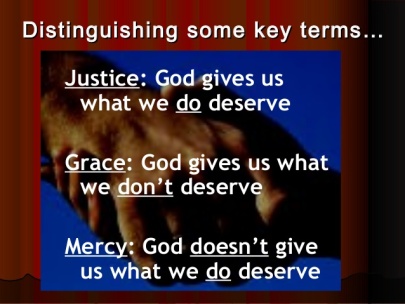
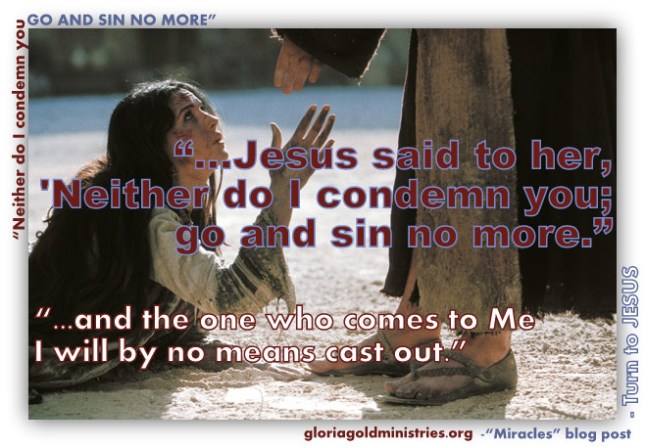
And like so many nights before, my thoughts circled. But this time the conclusions drawn seemed to contradict each other. I found myself still firmly rooted in the belief that God will ensure justice is served since the legal system failed us to such a colossal degree, and then another, more sobering thought took center stage. I faced the thoroughly discouraging knowledge that in truth, justice may never be served for my daughters because of God’s grace and mercy. All that’s required for any one of us to receive forgiveness is that we seek God with a repentant heart and Poof! – our sins are forgiven – covered by the blood of the lamb, who so graciously covered my sins as well.
For the irrevocably injured this is a hard truth – an unpalatable truth, a bitter pill – and I found myself sobbing out my outrage, bath towel pressed to my mouth to muffle the sound from David and Gracen watching TV in the other room.
I found myself truly angry – enraged really – to consider that God will grant these men forgiveness full and free. FREE!
I realize the key here is that the drivers, the prosecutor and the judge, each will first have to acknowledge and repent of their sin. However, do they get to repent of a sinful lifestyle without specifically confessing the sins that led to the deaths of my daughters, the destruction of life as we knew it? I know I never confessed each and every sin I’d committed when seeking salvation.
The possibility that mercy may be extended at such a great personal cost, without my consent or permission, is completely repulsive to me. I’m not unaware of the irony of that statement in that that same grace and mercy was extended to me (although it should be noted that God, Himself did in fact grant permission). This is not only an emotional battle but one I struggle with intellectually as well.
Surprisingly, the idea of spending eternity with these men is not a such a difficult pill to swallow – only because the logical part of my mind is assured that is not a possibility. The Bible says at the point of salvation we become a new creature. They may enter heaven with the same name but not the same nature and by golly, I will be made like Christ which will allow me to walk the streets of gold without stalking them and plotting to do them harm! For that I can be grateful as what kind of paradise would heaven be for me in I continued to harbor animosity toward any of these men and had to live eternally in their presence?
I hate this! To forever and for all eternity be denied justice is a truth not easily accepted and one I know will require a considerable amount of excruciating personal struggle. I have no desire to even contemplate the process.
Yet months and months later, that’s exactly where I found myself – contemplating a lack of justice and prayerfully forgiving these men – not for their benefit but for mine. I highly doubt I can ever look upon the unlicensed driver, the prosecutor or the judge with anything but contempt, but my hope is their power to hurt me has been forever laid to rest. The speeding driver, I think I can actually look at with pity – unless I find he too lacks remorse and that he assumes no responsibility for his own actions. But, for now, I know no such thing and I will deal with forgiveness again should the need arise – for myself and because it’s commanded of me by my Savior. But mostly for my selfish self so I can find a way to live free – without nausea – to lay down the burdens I’ve chosen to carry and those thrust upon me.
Someday, I hope to find my life no longer defined by the accident that forever altered it. I hope there comes a day where following the introduction to someone new, the aside “That’s the woman whose children were killed in that car accident and . . .” is no longer is tacked on either in my presence or behind my back as if I’m a novelty in a circus sideshow.
I hope the day comes where there are more notable things to define me than the losses I’ve suffered and the disappointments I’ve endured.
Words like “Bright, Passionate & Generous”, “Joyful, Imaginative & Compassionate”, or “Courageous, Sassy & Tenacious” – the words found on Bethany and Katie’s headstones and reserved for Gracen’s. I told her she’s the only one to be gifted with veto power.
Words that proudly proclaim the content of their character and personality more than the circumstance of their lives. Words that speak of their true essence. Words that reflect the supernatural work of their Creator, their Savior and the Holy Spirit at work within. Words that glorify God and forever testify to the immeasurable value of their lives, in spite of their far too soon departure from this world. And yes, I hope David and Gracen can easily distill my character and personality down to three simple words on a headstone the only testimony of a life lived, choices made, and relevance assigned/ordained – by my Creator. I’m hoping for something more impressive than “Total book nerd”!
This is the mother I have always wanted to be. A warrior mother, fiercely protective, defender, and advocate who allows no one to hurt my children without consequence. But I am so not that mother and I’m left feeling as if I’ve failed my children and myself – disappointed that I am not the mother I so much want to be.
There are a number of reasons why I am not that Mom. First and foremost, there are simply battles that you cannot fight for your children. Second, and I never imagined that I would be in a position to say this, but I am constrained by the law. Regardless of the fact that the justice system failed to uphold the law in our case, I am ironically bound by it. And finally, and most importantly, God would not be pleased if I were to become the warrior mother I wish I could be.
Exodus 14:14, tells me, “The Lord will fight for you, you need only to be still.” But, in my humanness I find myself frustrated by this verse instead of comforted. While I know from an intellectual standpoint that I can indeed trust that God will fight for me, I am often impatient to see God’s victory on my behalf. On the other hand, the image of our powerful God is watered down when we see His words displayed amid beautiful and serene backdrops like the following images portray.
Those images are beautiful, touchy, feely images I find comforting in times that I really don’t need God to be my avenging warrior or to fight a major battle for me. But when I desperately need my warrior God, they leave me feeling as if He might not be any more up to the battle than I am. The images are just too cheerful or peaceful and they affect my impression of God and His power.
I need to see this verse portrayed with the image of the ferocious Lion of Judah scripture assures me God is. I don’t know about you but this scripture just screams to be depicted with a roaring lion mid-leap as he defends his pride. These pictures fill me with confidence that my God is able.
Why do we depict the verses that describe God as our powerful defender, or the one who has sovereign control over nature and every created being with calm and soothing images? Is it because we don’t want to acknowledge that there may come a time in our lives that we might be in real need of our all-powerful God? Are we just trying to cling to the naive idea that our world, our homes, and families are safe? Is it because we want to characterize God as a God of love and ignore or soften the truth that God is a God of justice as well – to make Him more palatable to the lost and less fearsome to ourselves when we rebelliously disobey His commands that we cannot claim ignorance of?
I’m not quite sure why we are inclined to portray every biblical passage in a peaceful setting, but I think we are doing both ourselves and God a disservice. The images we see combined with God’s word merge in our minds causing us to form inaccurate ideas about God’s true character. They cause us to esteem Him as less than completely capable and to approach Him with a far lower regard than He is entitled to. As if he is a common man instead of the King of kings. How insulting to Him! Not only that, but we impede our own spiritual maturity because it is impossible to fully trust and depend on God if we see Him as little more than a human king on a heavenly throne. God’s word tells us in no uncertain terms that he is far more than that, far more capable, far more powerful, far more just. He’s far more everything and I, personally need images that more accurately reflect God’s true nature than ones that make Him appear to be anything less than His Word tells us He is.
So bring on the pictures of our avenging King alongside our gentle shepherd. I need to associate my God with both aspects of His character because I need to be completely confident that He is both in order to trust and depend upon Him alone. Then I won’t need to be the warrior mother. I won’t feel either impotent or as if I am failing because I will be able to be still, to be at peace (not void of emotion but able to find that center of peace in spite of my emotions) in difficult circumstances, unassailed by doubts that my God both can and will fight for me. I will be confident and assured of both the power and the presence of the God who fights my battles for me.

 Every time I buckle up and point my car down Highway 102 toward JBU, I anticipate flying down the twisting, turning two lane stretch between Centerton and Gentry with the radio cranked up – loud!
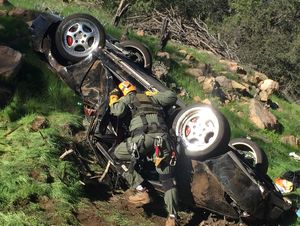 So, as much as I might itch to fly down highway 102, leaning into the curves and blasting down the straightaways, it’s highly unlikely that I will ever actually cut loose and do it. (Well, not the way I’d really like to anyway). I still have important relationships here to enjoy – and no amount of adventure and adrenaline is worth the price some other unsuspecting family might have to pay should I selfishly choose to ignore the risk to other drivers on the road one day and open that throttle up and fly.




 I didn’t lose a son and two daughters and begin picking up the pieces to move into a hopeful future. I live with the knowledge that I will always be picking up broken pieces and there is no way to repair the pieces that have been falling since MD entered our lives.




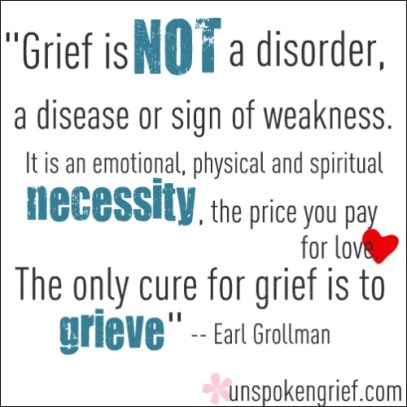 But some things in life cannot be rushed. Some things simply take as long as they take, which doesn’t seem to prevent us from feeling frustrated with the wait or pushing ourselves and others to shorten the amount of time to accomplish a given task. And that impatience has spilled over into every area of our lives including the expression of grief. A new definition can be added to Oxford Dictionaries definition of a pity party. It reads something like this: A term applied to an individual’s behavior when society and has lost patience with someone who has suffered a loss of grievous proportions.
 A fellow bereaved parent and blogger, Melanie, recently asked me if I still struggle with feeling God’s love. The question came in response to a post I published several months ago entitled,


 A fellow bereaved parent and blogger, Melanie, recently asked me if I still struggle with feeling God’s love. The question came in response to a post I published several months ago entitled,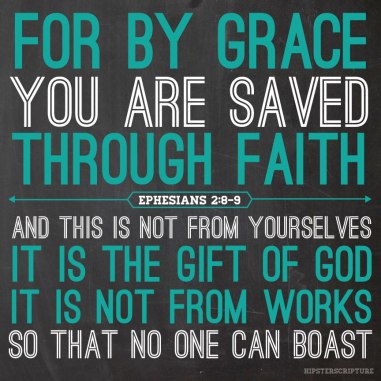



 I think I’m starting to understand that the only thing I can do is ask God to help me recognize and experience His love for me. I can ask God to help me not only accept His love, like a gift wrapped package, and to receive it by opening the gift, but also to open my heart so I value the gift as it was intended. And that last point is critical. Have you ever received a gift and been disappointed because it wasn’t what you hoped for or maybe you wondered, “What am I supposed to do with this?” In order to grasp God’s love and care I need to be able to comprehend and fully appreciate the value of the gift given. Sometimes it’s only in retrospect that we understand and appreciate a gift.
 I guess I’m concluding that I need to humble myself and ask Him to help me experience the love I know, without a doubt, He has for me. I also need His help receiving His love because there is no earthly relationship that truly offers completely unconditional love and acceptance. I have experienced my parents and husband’s attempts to love me unconditionally, however, their example, will always fall short. We’re human, we all have expectations and unfortunately those expectations color our interaction with others either through spoken word or subtle body language, attitudes and actions. Only God offers unconditional love.
 1 Corinthians 13 tells us exactly what that looks like. You can substitute “God” or a personal pronoun for love in those verses and it reads something like this: God is patient and kind. He is not proud, rude or self-serving. He is not easily angered. He does not delight in evil [as the wicked do]. God always protects, trusts, hopes, and perseveres. God never fails.
 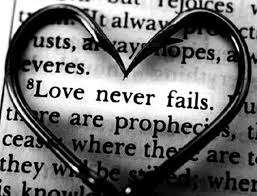 Furthermore, I must remember that because I have no plainly visible example of pure unconditional love, only God’s Word and the Holy Spirit can help me recognize and comprehend the reality of His unfailing love. God does not love me like anyone else loves me. He loves me better than anyone else has ever loved me and ever will love me. And yes, because I can’t see and touch God here on earth, I have to discipline myself to trust that what His word says is true, that He does love me with an everlasting love. Love is commitment and love is also an emotional response to stimuli. When I can’t feel that emotional response I have to have faith that God’s commitment to love me will not fail me.









 Boxx Banter