
Why a glimpse behind the curtain to the deeply personal and hidden grief of a bereaved parent? Not to inspire your pity; of that I can assure you. Instead to inspire others to look beyond the surface of a grieving friend or family member. To consider how families are affected by loss, emotionally, psychologically and spiritually, as well as the unique family dynamics that result; which might help you comfort, support and encourage them. The bereaved desperately want to be understood, to have their feelings validated, to break free of the isolation, to mourn unrushed, to have another share their sorrow (not attempt to fix it). This post was written months ago and is not reflective of my current state of mind.
Two Years Later . . .
This morning, the 2nd anniversary of Bethany & Katie’s deaths, I woke up in my in-laws guest room and told the Lord,

I miss my babies. I miss the life I used to live. I miss the sweet ignorance of not knowing what disease plagued Gracen and Katie’s bodies, the unappreciated bliss of an unknown prognosis. I miss my failure to understand that You, Lord, promised to walk through this life of trials with me, never once leaving me, but not to protect me from the free will of others and not to make life pain free.
I miss waking up with purpose. Waking to enjoy the the birds singing and the sun shining.
I miss hugs and smiles and laughter — the sounds of life in my home. I miss making cookies just to hear Katie’s whoop of joy. Watching David and Bethany laugh over movie lines that cause me to roll my eyes. Seeing Katie sit at Bethany’s feet joyful that her big sister was home from college.
I miss arguments and bad attitudes and snark and sass. I miss seeing Katie curled up in David’s lap to watch a movie, David teasing Bethany and listening to him negotiate with Katie for hugs and kisses.
 I miss sibling rivalry and laughter and two ganging up on one. I miss hearing how Gracen stood up for Katie at school, how Bethany watched out for Gracen and coming home to find all three watching music videos loud enough for the neighbors on either side to enjoy (?) too.
I miss praying for Bethany and Katie. I miss inviting You, Lord, close instead of desperately clinging to You. I miss what was and will never be again. I miss the life I’d planned to have. I miss ignorance and curse knowledge and I hate the last images of Bethany and Katie seared upon my mind, taunting me with their stillness, eyes once full of life and love vacant and unseeing.
I miss the me I used to be; the me I wish I could be again. I miss the me who did not live with the ever present ache of loss. The me who did not have to fortify herself for a simple trip to church, the me who did not have to plan in advance answers to everyday questions to guard my heart, my privacy and to avoid making others uncomfortable. I miss genuine smiles. I miss the ease with which I faced a day and the dark of night; of restful sleep, a focused mind, and simple motivation. I miss anticipation and excitement.
 I miss having all the bar stools at my counter filled. . . I just miss so much — it all haunts me while I’m simultaneously thankful for Gracen and David. Joy and sorrow side by side — both aware of all I have and all I’ve lost in every moment of every day. One word defines my life — bittersweet.
And as I rolled over and curled in upon myself, I asked the Lord to help me get up and get going, to be a good house guest, to ignore the onslaught of sorrow, deep and numbing. To be able to be present instead of withdrawing from everyday conversation in desperate need for time alone — for the distraction fiction provides.
I finally rose at 10:30, hours later than I usually rise when we visit Kansas City. And when I entered living room Sunny greeted me with a warm, “Good morning sleepyhead”, and Donna quietly went about frying an egg for me, then sat down at the table to visit with me while I ate. No frustration, just uncomplicated acceptance and the kindness they have always shown me over the last twenty-eight years. I found my heart full to the brim with both gratitude and sorrow — both of which my wonderful in-laws share with me. I am not alone in my loss, in my sorrow, and in gratitude for what remains.
Empathy (shared sorrow) is so much more comforting than the fellowship of sorrow and pity. Pity pops in to express sympathy and promptly exits. Pity is love without commitment. It lures and deceives the grief-stricken with a promise of support only to silently slip away. Shared sorrow blesses the grieving by claiming a seat at the table of sorrow and dining on the bitter taste of disappointment and despair; drinking from the cup of agony before pulling out the dessert plates and loading them up with the sweet savor of united hearts and minds. Shared sorrow is committed love.
Helping the Bereaved Bear their Burdens
1. People outside the immediate circle of loss, tend to view the death of a loved one from a broad, general perspective. The bereaved grieve in fine detail. Acknowledging specific losses, unfinished plans, a lost legacy and the empty seat at the dinner table communicates to the bereaved that you care about the depths of their loss.
 2. Speak the loved one’s name. When a baby is stillborn or dies shortly after birth the family is left with a void they are unable to fill with memories of their child. Using their child’s name, asking about the infant’s birth weight, length and hair color affirm the child’s worth. Avoidance equals isolation.
3. Speak the loved one’s name-regardless of their age at the time of death. As time goes on, the name of a loved one is spoken less and less frequently. The bereaved want their loved ones remembered. Mentioning their name, telling a family member you thought of their loved one and you miss them is a great blessing. Speak about their loved one in a positive way, don’t just say how sorry you are for their loss.
4. Many bereaved parents feel as if others treat them as if they are cursed following the death of a child. Avoiding bereaved parents because you are unsure what to say or do can frequently be perceived in unintended ways. So, avoidance is not the answer. Call or visit and simply say, “I have no words.” “I don’t know how to help, but I want to be there for you. Tell me what you need to hear from me.”, and if you love the bereaved person keep trying to reach out, but don’t make them responsible for making you feel comfortable in their presence.
5. Don’t expect the bereaved to step back into ministry roles and other normal activities. Some will return quickly, some will take six months or a year. Some will never return to that specific ministry or activity. Be sensitive. Churches are often in need of members to serve, but be careful not to push.
 6. Never compare the loss of a loved one to the death of a pet (it’s more common than you think). The loss of a child and a spouse are the most devastating losses the bereaved endure. Don’t tell the grief-stricken that you understand how they feel because you lost a uncle, grandparent or parent. The level of intimacy in the severed relationship determines the depth of grief experienced.

7. When a parent loses a child, never say, “Well at least you have two more.” or “Be thankful for the ones you still have.” The death of one child doesn’t negate the parent’s love for the rest of their children. Grief and gratitude can and do co-exist. And the birth of subsequent children do not replace the child that died.
8. Don’t be offended if the bereaved don’t personally call you to notify you of the death. It is not at all unusual to for the bereaved to be too emotionally overwrought to call even their closest friends and family members. It’s is however, very common to contact one family member and ask them to contact the rest of the family. It’s not a slight. Some are busy at hospitals, others are in shock, and some just can’t speak.
9. Don’t ask for details especially in the case of suicide, murder, or accidents. Those who need to will share that information with someone they are close to. Others do not want to remember their loved one that way and may have been traumatized by things they’ve seen and experienced. Rehearsing it is retraumatizing and sometimes leaves the bereaved feeling as if you care more about the gory details than you do about them.
10. If you have pictures of the deceased, email copies or get prints made and bring them to the family. Every picture is a coveted treasure.


 My heart is anchored here but I long to flee — from what happened — from what is yet to come — to fly far, far away. To flee this unwelcome reality — oh, to be able to pretend it never happened! To be able to board a time machine and travel back, back before the collision, back before diagnosis, back before Katie, before Gracen, before Bethany and Cole. Back before marriage, back before love, back before David, back before my very existence, erasing every footprint, every memory of me. Back before every bit of my existence tainted the lives of the people I love far more than life. Just to have the opportunity to un-hurt others by erasing me.
 Ring, ring . . . Oh, crap, David’s calling back and Gracen’s right here! I can’t talk in front of her.

 traumatic responses. What may be a minor problem produces anxiety on steroids. Pray them through, sit with them, validate their fears.
 Tired of wondering why God didn’t simply take us all home December 26, 2013, the day of the collision that killed two of my daughters. Tired of wishing He had. Tired of thinking of what the future holds, tired of trying to brainwash myself into believing there just might be something good to get up for every day.
 4. Don’t expect the bereaved to behave as they did before the death of their loved one. They simply aren’t the same people any more. They have been irrevocably changed in many ways. Don’t encourage them to “get back to normal,” or question when they will. Don’t quash their attempts to talk about their feelings or their loved one. They are not wallowing in self-pity, they are experiencing and coping with the normal response to loss. Grief and self-pity are very different things! The message you are sending with comments such as these is that the bereaved are responsible for ensuring that others are not uncomfortable in their presence and that their loved one no longer matters. Telling them to choose joy is tantamount to telling them that positive thinking or gaining a new perspective will take their pain away.
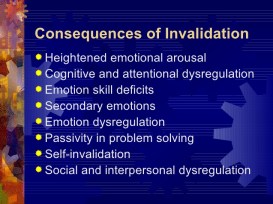
 Ultimately, the bereaved feel both defiant and rebuked for loving deeply. Well-intentioned friends and family members inadvertently become unsafe for honest sharing. A failure to validate feelings elevates the turmoil the bereaved are already dealing with. They become angry because they have to justify their feelings and their right to mourn while simultaneously questioning if they are indulging in self-pity. Invalidation leads to isolation as the grief-stricken find they cannot vent their feelings and wrestle with their faith without rebuke or correction. Invalidation causes the bereaved to suppress their grief, wear a mask in public, hide their vulnerability and finally, it lengthens the time it takes to work through the process because the bereaved will search and search for safe people to be real with all in an effort to receive validation of both their feelings and the value of their loved one.
 underinsured. Reinforce the truth that depression is normal and nothing to be ashamed of.
 I have no peace because my fear of You prevents me from drawing close. How can I trust You when You repeatedly allow me to be crushed?, and yet You sustain me. I don’t get it. I don’t know how to move forward, with or without You. I need You but I’m afraid of You – afraid of how much what’s left of this life will hurt – afraid I can’t survive any more. I’m teetering on the brink of insanity. But for Gracen I’d just want to slip over the edge.
 2. Ask probing questions instead of correcting or rebuking especially with scripture. The last thing the grieving need is to feel defensive or to carry the additional weight of fellow believer’s condemnation (which may translate in their minds to God’s condemnation). The believing bereaved need safe people who allow them the freedom to express fears, anger, and disillusionment with God and their faith — people who allow them to question and wrestle with scripture. Failing to provide that will lead them to withdraw or simply suppress their questions and fears. The grief-stricken may completely turn their back on their faith (not lose their salvation, simply quit following Christ) or they might ignore their questions and carry on with their faith. They may grow and mature in other areas but place a large “No Trespassing” sign on that area of the heart refusing to allow the Holy Spirit to heal those deep wounds. Unhealed wounds fester. Allowing a believer to wrestle with their beliefs, to confront scripture, is not something to fear. It’s something to encourage.
 4. If the grieving believer is struggling with a specific scripture and is seeking feedback, make sure they are viewing the passage in context. If you are concerned that they might be misinterpreting a scripture ask, “What else does the Bible say?”. Acknowledge when you yourself don’t understand. If you aren’t fast on your feet, ask if you can think it over and get back to them — DO NOT fail to return a response! They need you to keep your word and are often desperate for an explanation. If it’s taking awhile to find an answer, email and let them know you are still mulling it over. Always use the Bible, trusted commentaries, or trusted faith-based resources in a biblical discussion. Don’t add to or take away from scripture. For example, count it all joy doesn’t mean they should be happy their loved one died. Christ wept with the bereaved, he didn’t tell them not to be sad or to find a new perspective, or to buck up and move forward. Follow His example.

 There are days and moments and very long nights when I think, I can’t do this anymore. Come to find out, that simple thought is a trigger for tears.
 continue to put on a brave face and hide the true depths of the pain and sorrow from each other so as not to increase their individual burden in this bizarrely intertwined protection dance we unconsciously perform. And as all this plays out within our home and personal relationships, the current culture demands that we have a positive attitude and recognize our blessings. It’s exhausting. It’s overwhelming. It’s frustrating. It’s impossible.
 2. Avoid the use of platitudes and trite phrases. They serve to frustrate and unconsciously communicate unintended messages. (i.e., faith and trust in God mean things hurt less, our hope for eternity exchanges grief for joy, joy and happiness are the same thing, the salvation of the lost justifies the death of a loved one).
 5. Validate feelings. A grieving father who feels like beating the crap out of the person responsible for their child’s death is normal. It’s okay; it’s helpful actually to say, “I’d feel the same way if I were you.” Validating feelings in no way condones sinful actions. Feel free to tack on, “You’re not planning to act on that, are you?”, if in doubt.
 mourning mother recently told me, “Emotions are for emoting.” How an individual responds to their emotions can be right or wrong but never simply expressing them. Do NOT tell the grief-stricken that they can’t or shouldn’t feel any given way or that their feelings are sinful!
 8. Before you offer any advice, imagine yourself in that individual’s shoes; then personalize the advice. You are now the parent whose child just committed suicide. Consider how you might feel should someone tell you to count it all joy, or that God is good all the time, etc., before you offer any advice to the bereaved. Perspective changes when things get personal.
 2. Realize that you cannot fix their sorrow and they don’t want you to try. They want their pain acknowledged, not ignored, not rebuked, not corrected, and definitely not minimized. Validate their feelings and affirm their ability to carry on. Be aware that their faith may be strong but they are weak in so many ways. They will likely feel as if their faith is not sufficient to see them through. Do NOT imply or state outright that God allowed their loss because their faith was strong enough to survive their loss!
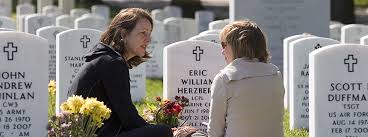 4a. The grave site can be a place of comfort or distress. Every bereaved individual is different (which I realize makes supporting the grief-stricken challenging and scary). Some spend a lot of time at the cemetery, others rarely go. It’s generally a big deal when the headstone is finally placed. The headstone often represents the only permanent legacy of the deceased. Offer to take the bereaved to the cemetery. Comment on the things you sincerely like about the marker they’ve chosen and the location selected. Never offer a negative opinion about either the burial site or the headstone!
 4b. Likewise when the deceased is cremated, the day the bereaved receive their loved one’s ashes is also a big deal. They’ve carefully chosen the urn—no negative comments! Some people display the urn, and others choose not to. Validate their choice as there will be people who are uncomfortable seeing an urn prominently displayed in a home and they will, unfortunately, let their feelings on the matter be known. There will also be people who will not understand if the grief-stricken choose not to display the urn. The bereaved often feel torn on such matters, and they need to do what feels best to them. No good, but plenty of harm, can come from burdening the bereaved with other’s opinions and expectations. If the bereaved choose to scatter their loved one’s ashes, honor their decision both in regards to how they wish to do it and who they wish to be present.
 5. Extended family needs to honor with grace the way those in mourning choose to handle holidays, anniversaries and birthdays. I’m well aware that extended family members also grieve and may be disappointed or even hurt when the bereaved choose to forego family gatherings. But frankly; it’s not about you! The highest degree of consideration should be shown to those with the closest personal connection to the deceased. Piling guilt upon grief is insensitive and unkind. Expecting the bereaved to celebrate, to be surrounded by intact families, to shake off their sorrow for the sake of the rest of the family is unrealistic and frankly puts undo strain on the brokenhearted. Family togetherness may be beneficial to some, may lift their sorrow and make them feel supported, but not to others. Be considerate. Love your bereaved family members enough to set aside your own desires in order to grant them the freedom to mourn without criticism and resentment for the choices they make.
 6. Assume that everything the bereaved tells you about how they are feeling or challenges they are facing, is confidential. A solid friendship can be utterly destroyed if the bereaved feels they are being gossiped about. Grief is hard. It hurts. Should someone inquire as to how the bereaved is doing, a safe response is, “She’s okay. She’s working through her grief.” Feel free to ask the bereaved how they would like you to respond to questions about their well-being and if there are prayer requests you can share. When in doubt, go with the safe response above. An individual who is normally an open book may become uncharacteristically private when they feel most vulnerable. Err on the side of discretion!


 Faith is an integral part of my life. In many ways it defines me. However, my true nature is that of a sinful human being. Faith is second-nature to me. My first nature, sinfulness, far too often drives me. Yet, I committed to following Christ and over the years the Holy Spirit has been busy. More and more often I find my initial thoughts ruled by Biblical truth. I’ve been changed by God’s unmerited favor with increasing confidence and assurance (faith) that not only does He exist but that I can trust Him to keep His promises.
 I have discovered that I do have a strong faith after all; but that I am less faithful than I expect myself to be. I don’t need Satan to denounce me as a fraud, my own heart and mind taunts me with that truth. However, the same grace that enticed me to faith, is poured from a fountain of unlimited supply.
 Boxx Banter